Hard Water In The Capital Region
Hard water is water carrying dissolved calcium and magnesium picked up from rock and soil. It is not a health hazard — but it is relentlessly expensive. Every time hard water is heated, those minerals drop out of solution and bond to whatever surface is handy: the inside of your water heater, the element in your dishwasher, the coffee maker, the shower head, the inside of the pipes themselves.
The everyday symptoms are familiar to most homeowners here: spotted glasses, film on shower doors, soap that will not lather, laundry that comes out stiff and grey, skin and hair that feel dried out after a shower, and a water heater that costs more to run every year as scale insulates the element.
How A Water Softener Works
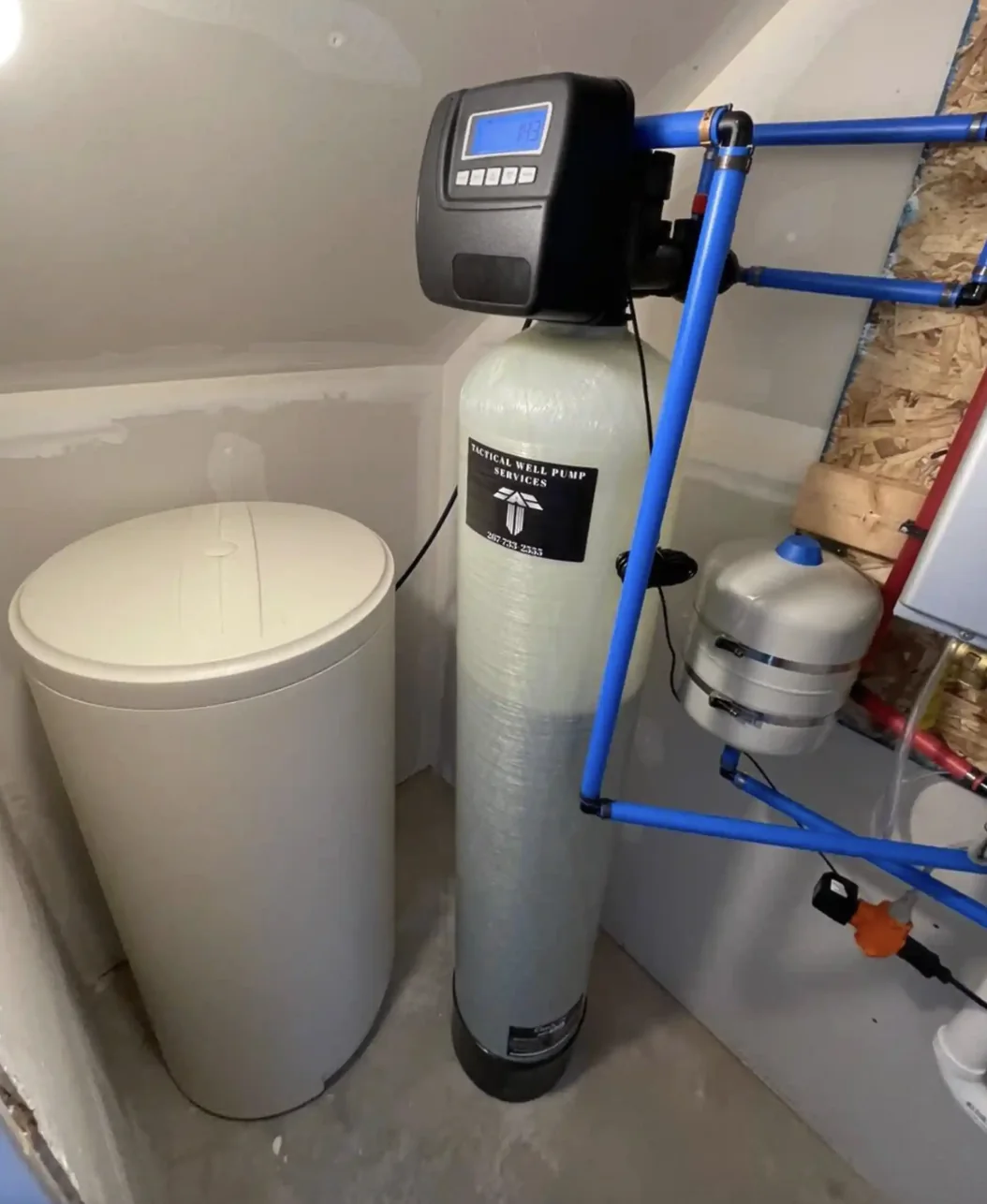
A softener is a resin tank plus a brine tank and a control valve. Water flows through a bed of resin beads that carry sodium ions. Calcium and magnesium have a stronger affinity for the resin than sodium does, so as water passes through, the hardness minerals stick to the beads and an equivalent, very small amount of sodium goes into the water. That is ion exchange.
Eventually the resin fills up with hardness. The control valve then runs a regeneration cycle: brine from the salt tank flushes the resin, strips off the accumulated calcium and magnesium, sends them to the drain and recharges the beads with sodium. Modern metered valves regenerate based on the water you have actually used rather than a fixed clock, which uses less salt and less water.
Sizing Matters More Than Brand
A softener is sized from two numbers: how hard your water is, and how much water your household uses. Undersize it and it regenerates constantly, burns salt and still lets hardness through. Oversize it and it sits between regenerations long enough to go stale. This is precisely why we test before quoting.
Where It Goes
Softeners are installed on the main line where water enters the house, so every fixture is served, usually with the outside hose bibs and sometimes a cold kitchen tap bypassed. On a well, the softener sits after sediment and iron filtration and before any UV lamp.
Softened water and salt intake. Ion exchange adds sodium in proportion to the hardness removed — a modest amount, but worth knowing if someone in the house is on a sodium-restricted diet. Two easy answers: use potassium chloride instead of sodium chloride in the brine tank, or run the drinking water through a reverse osmosis system, which removes it again.
What Changes After Installation
- Glasses and dishes come out of the dishwasher clear
- Soap, shampoo and detergent lather properly — and you use noticeably less of them
- Tubs, tiles and shower doors stop growing soap scum
- Laundry comes out softer and holds colour longer
- Scale stops building inside the water heater, so it heats efficiently for longer
- Faucets, shower heads and appliances last the way they were designed to
Living With A Softener
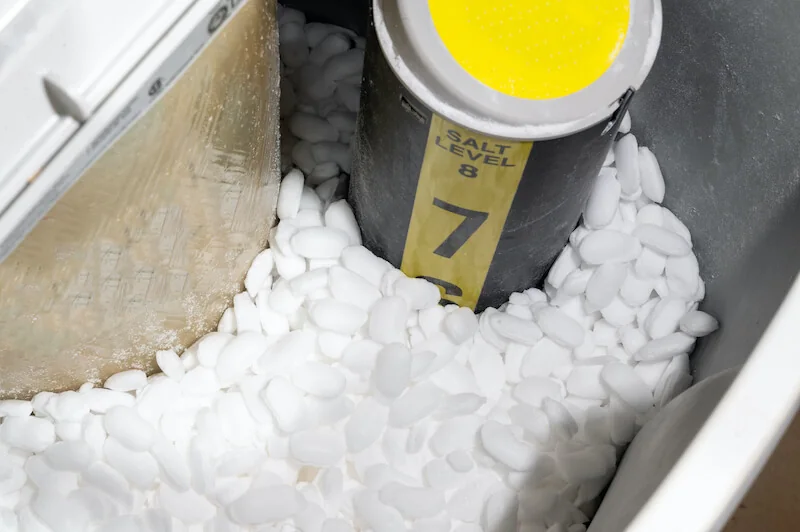
Maintenance is mostly salt. Check the brine tank monthly and keep it at least a third full; most households go through a few bags a year, depending on hardness and usage. Every few years the resin bed benefits from a cleaner, and the valve should be checked for correct regeneration. It is genuinely low-effort equipment — and we will walk you through all of it at handover.
Where We Install Water Softeners
Adirondack Pure LLC installs and services water softener systems throughout Albany, Columbia, Rensselaer, Saratoga, Schenectady and Warren Counties, on municipal water and private wells alike.